4 min read

Medical Courier Dispatching and the Work Behind Reliable Healthcare Logistics

Medical Courier Dispatching and the Work Behind Reliable Healthcare Logistics
9:22

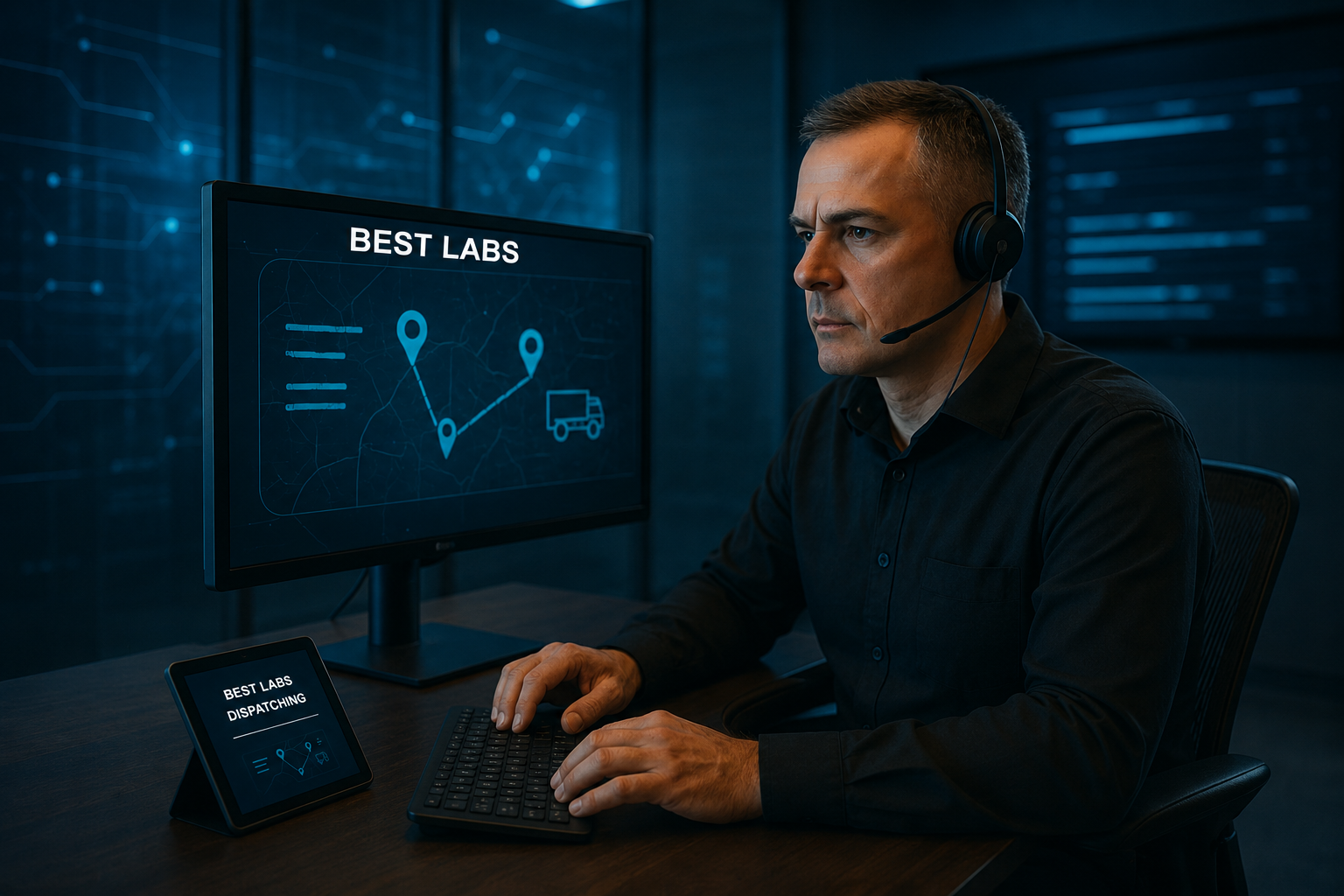
Medical courier dispatching plays an essential role in healthcare logistics and medical courier operations.  Unlike scheduled daily routes, dispatching is often utilized for stat specimen deliveries, or unscheduled site visits. While it may seem couriers effortlessly arrive at their pickup and drop-off locations with medical deliveries, few realize the amount of coordination happening behind the scenes on a live route to keep courier operations moving without delays. There is a well-orchestrated dance between digital systems, customers, dispatchers, and couriers to make dispatching within daily courier operations work without a hitch.   

In this blog, we will be taking a closer look at how dispatching fits into medical courier work and why it matters in labs, clinics, and even patient care. We will be covering common challenges, what dispatchers need to make quick decisions, and the practices that help prevent delays or mistakes during busy routes. We will also look at how different labs manage dispatching and where technology can help keep operations moving smoothly when unexpected requests come in.  

How Lab Size Shapes Dispatching Workflows 

Outreach labs manage dispatching differently depending on their size, volume, and available resources. Larger labs tend to handle a high number of pickups across wide service areas, so they typically employ dedicated dispatch staff and assign specific couriers to handle on-demand work. Smaller labs, however, are more likely to fold unexpected requests into existing routes or rely on couriers to take calls while they are already driving. In some cases, dispatch duties fall to administrative or lab employees who balance it alongside other responsibilities, which can make communication and coordination more difficult when requests come in quickly.  


Large Lab 

Small Lab 

Customer Requests: 

Submit a digital request or call a designated dispatch line 

Call courier directly or office staff with dual roles 

Dispatcher: 

Designated employee (s) 

No designated employee 

Dispatch Sent Out To: 

Designated Courier(s) 

Static route courier 

Technology: 

Digital Logistics system 

Digital system or manual system 


Once a customer submits a dispatch request, the first priority is gathering accurate information so the pickup can be handled correctly and without delay. The person receiving the request should confirm: 

  • Who is calling and the site associated with the request 
  • The pickup location 
  • Whether the request is stat or flexible 
  • Any temperature requirements 
  • Where the specimen needs to be dropped off 
  • Any special instructions that may affect access or handling 

Documenting these details helps determine which courier is best suited for the request and how it fits into existing routes. Even in smaller labs where couriers receive calls directly, capturing this information is important for meeting expectations and resolving issues if they arise later. 

Once the request details are documented, the next step is deciding which courier and route can handle the pickup most efficiently and making sure the requirements are communicated clearly. Larger labs typically rely on digital dispatching systems to view courier locations, assign work in real time, and maintain a record of customer requests. Smaller labs may handle these decisions through direct phone communication with drivers, but it is still important to record the specifics so that requirements are met and any issues can be addressed later if needed. 

Customers should be able to: 

  • Call a designated number or submit digital dispatch requests if needed 

The person receiving the request should record: 

  • Site name 
  • Name of the person making the request 
  • Requested pickup time 
  • Whether the request is stat or routine 
  • When the specimen can be collected 

Dispatchers should be able to: 

  • Identify the courier closest to the pickup location 
  • Set the required drop-off location 
  • Communicate time sensitivity and verify it is being met 
  • Send special notes or instructions to the courier 
  • View courier locations in real time 
  • See whether a courier has acknowledged the dispatch 

Couriers should be able to: 

  • View and acknowledge dispatch requests 
  • Add notes about the pickup 
  • Record the pickup and delivery time stamps 

Dispatchers also need to understand why each request matters. A stat pickup affects a patient waiting on results, while routine specimens influence the lab’s daily workflow and testing volume. Knowing the difference helps dispatchers set priorities and respond appropriately. Experienced dispatchers learn patterns, recognize facility habits, and anticipate needs before they become urgent. Instead of just assigning jobs, they create a system that keeps operations steady even when unexpected requests come in. 


Managing Time Sensitivity & Routing Decisions 

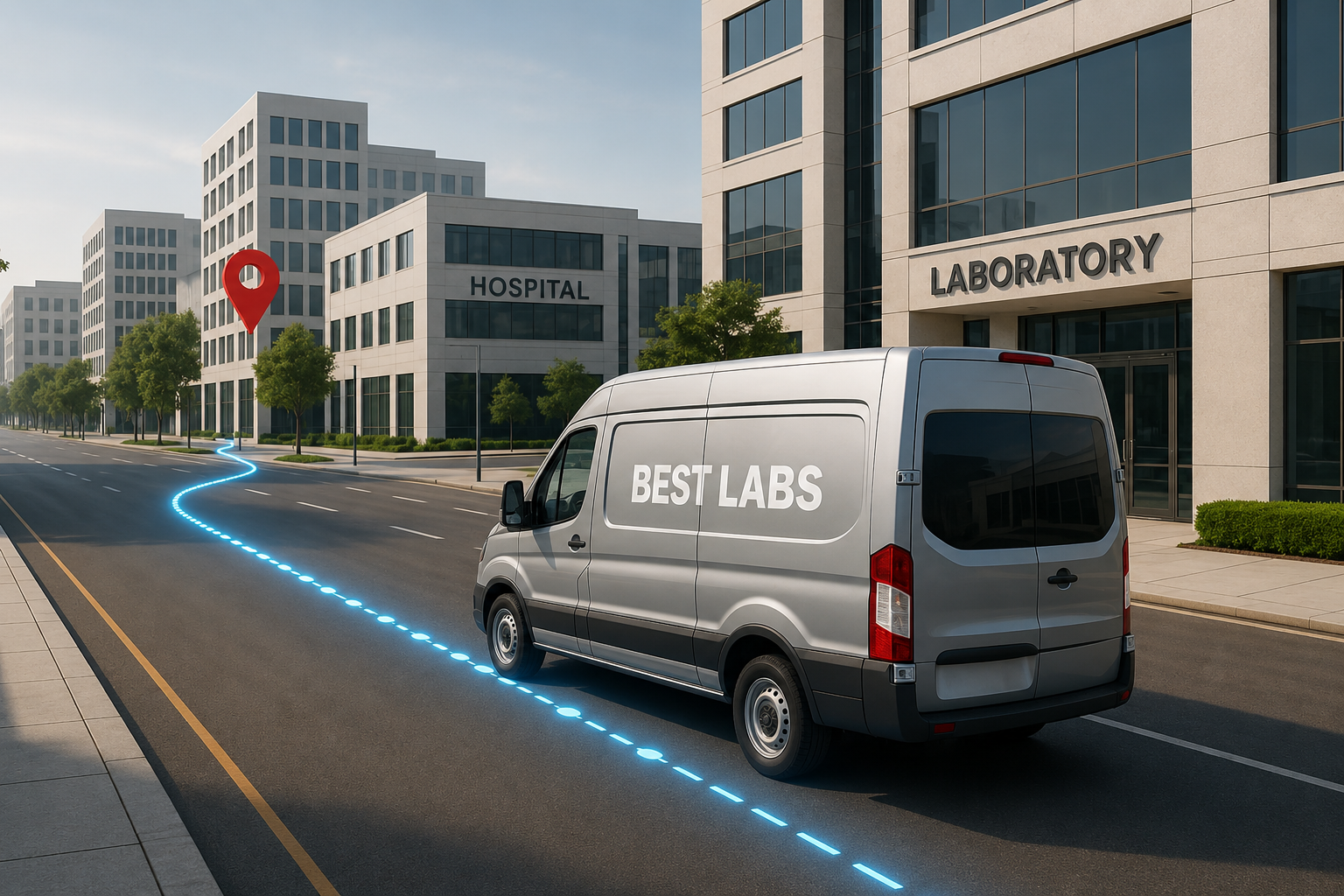
 A major part of dispatching is managing time-sensitive deliveries. Some specimens cannot sit for long, so dispatchers have to weigh route changes, driver availability, and pickup orders to prevent delays. They consider factors like distance, facility hours, expected volume, specimen type, traffic, and weather when deciding how to fit a request into the schedule. A delay by couriers can create problems for lab staff and clinicians, so routing decisions are often made with both urgency and downstream impact in mind. 


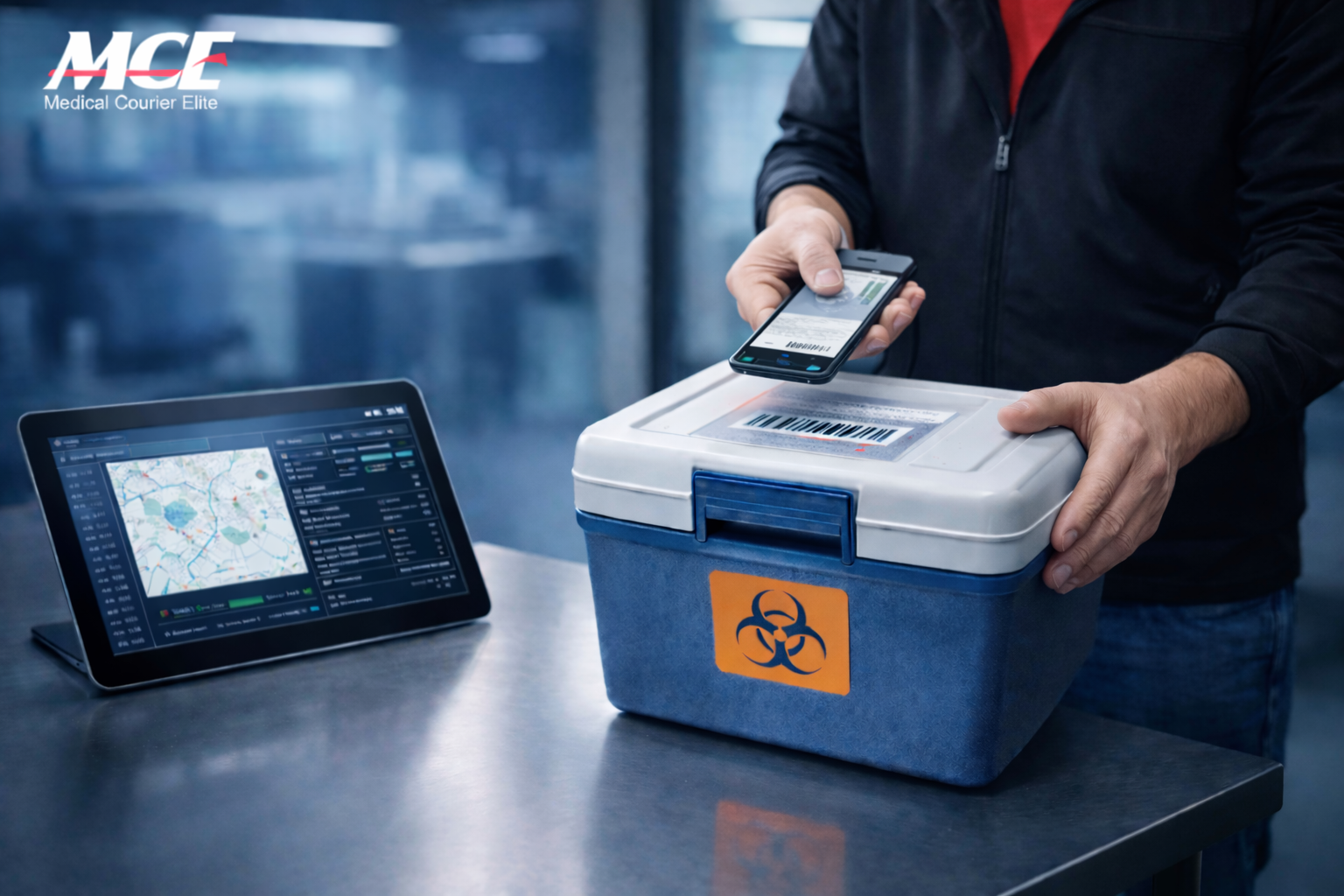
Medical courier dispatching also involves compliance. Couriers often transport materials that require chain of custody, temperature control, and proper documentation. These expectations influence how dispatchers assign work and monitor progress. They need to ensure the right driver and equipment are sent, that time stamps are recorded, and that exceptions are noted so sensitive materials aren’t delayed or mishandled. 

Communication is also central to dispatching. Requests change, clinics call with updates, and drivers run into delays. When communication is clear and consistent, small issues stay manageable. When it breaks down, even simple deliveries can become complicated. Dispatchers keep operations moving by staying in contact with drivers and facilities so adjustments can be made quickly without disrupting service. 


Technology supports these decisions by giving dispatchers visibility into what’s happening on the road. Real-time tracking, mobile apps, route planning tools, digital signatures, and time stamps help them react quickly when conditions change. These tools don’t replace judgement, but they make decision-making faster and more accurate. 


Human Factors & the Value of Experience in Dispatch 

Dispatchers deal with constant changes and pressure, so experience matters. Over time, they learn which facilities tend to run behind, which drivers handle certain routes best, and when a situation needs extra attention. They also become adept at balancing empathy with efficiency, since every facility has different expectations and every driver has different strengths. Experienced dispatchers often act as a stabilizing force, helping drivers stay focused and problem-solving with clinics when plans shift. That awareness helps keep deliveries moving smoothly, even when unexpected requests come in, because they can anticipate issues before they escalate and make adjustments without disrupting service. 

Scaling Courier Dispatching as Healthcare Expands 

As healthcare organizations grow, courier operations become more complex. Higher specimen volumes, wider service areas, and new facility partnerships add pressure to the dispatch process. Dispatchers often need to evaluate route performance, identify slowdowns, and adjust coverage to keep pace with demand. Scaling successfully usually requires stronger communication, better route visibility, and flexible workflows so deliveries stay consistent even as volume increases. 

The Future of Medical Courier Dispatching with MCE’s Medical Courier Logistics Software & Mobile App  

As healthcare continues to expand, dispatching will rely even more on technology that supports real-time visibility, data-driven decision making, and faster responses to unexpected requests. Tools like MCE are designed to help labs manage higher volumes without losing consistency, by tracking courier activity, recording delivery events, and supporting communication between drivers and facilities. These capabilities help dispatchers anticipate needs earlier, adjust routes quickly, and maintain reliability when demand changes. 

Conclusion 

Medical courier dispatching plays a critical role in helping labs, clinics, and hospitals move specimens quickly and reliably. The work involves constant decision making, communication, and awareness of both patient needs and operational constraints. As healthcare organizations expand and demand increase, having the right tools and workflows in place becomes even more important.  

If your organization is looking for ways to improve routing, dispatching communications, or visibility in courier operations, reach out to MCE medical courier logistics software by clicking here, we’d love to help.  

Smarter Medical Courier Routing and Logistics for Reliable, Efficient Deliveries

Smarter Medical Courier Routing and Logistics for Reliable, Efficient Deliveries

Reliable routing is at the heart of every successful courier operation, especially in the medical and laboratory world. Modern routing and logistics...

Read More
The Importance of Using Barcodes in Medical Courier Operations

The Importance of Using Barcodes in Medical Courier Operations

Lost specimens are more than an inconvenience, they are a threat to patient safety. Every lab leader has faced that dreaded phone call: a specimen is...

Read More
Exceeding Clinical Expectations for Medical Courier Services

Exceeding Clinical Expectations for Medical Courier Services

Exceptional customer service in healthcare begins with the face of your lab—your medical couriers. Your courier’s professionalism directly reflects...

Read More